


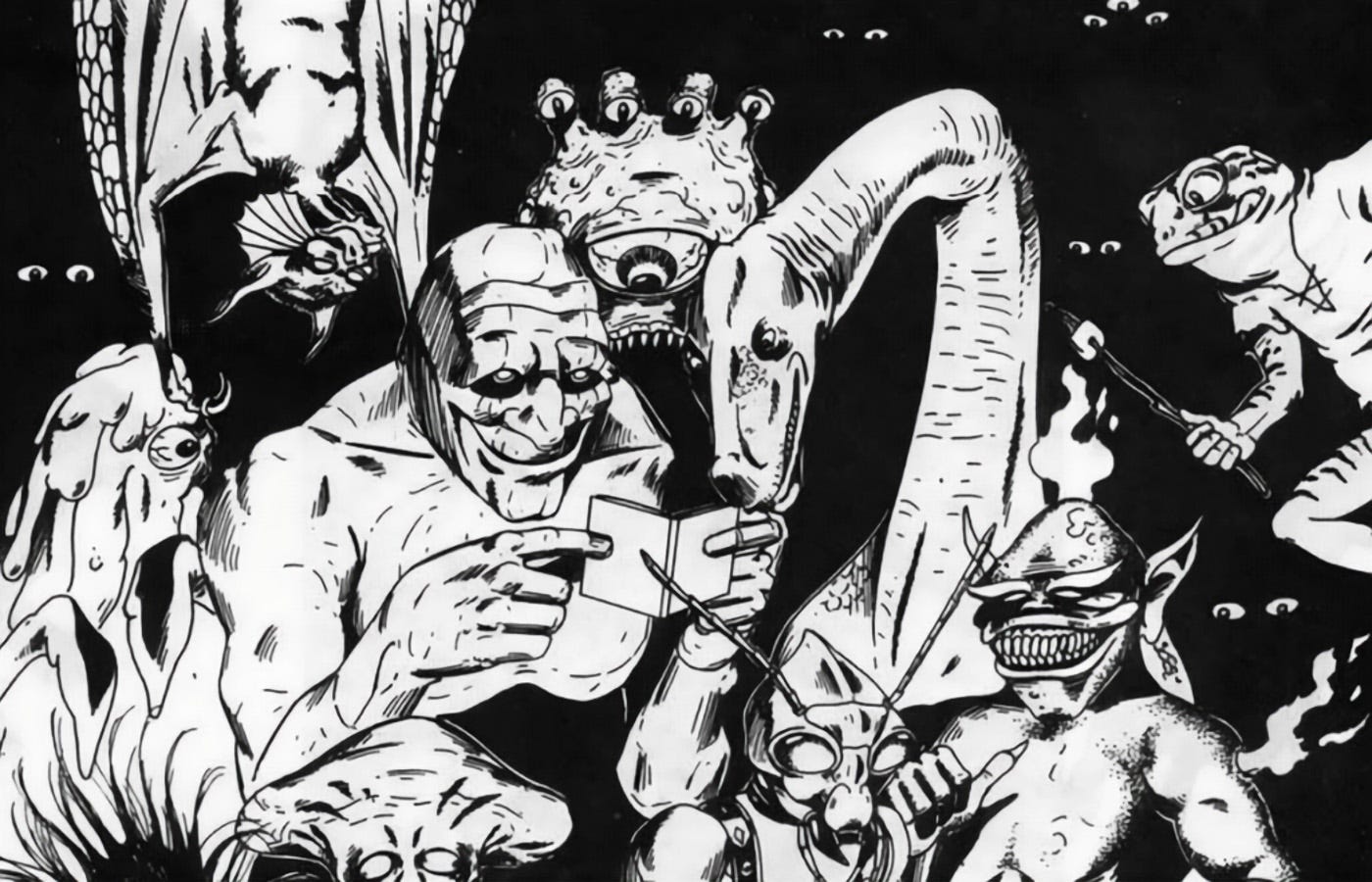
Orcs are great. Everyone knows what they are and as a Dungeon Master you hardly have to say a word to describe them. Most importantly, they get the job done. Still, any good adventure should have some variation. I am not talking just the standard substitutes and variations. I love a good gnoll encounter as much as the next gamer, but sometimes I want to be completely in the dark about what I am encountering. Lucky for us, the makers of Dungeons & Dragons over the years have pumped out some great books containing hundreds of monsters to terrify and delight.
Are you running a 5th edition game? Don’t throw away those old books just yet. Many of these monsters are easily convertible to 5th edition rules, although you might need to use your imagination to fill in the gaps. While that might require a little more time as a DM, they are a guaranteed party pleaser.
Old school gamers will delight in revisiting old foes, while new players will be amazed at your seemingly infinite creativity. So, if you are looking for some inspiration, here are 12 underrated creatures from the 1st and 2nd Editions of Advanced Dungeons & Dragons to add some flavor to your next gaming session.
Disenchanter (AD&D 1st Edition Fiend Folio)

Are the heroes in your party overpowered? Perhaps you made a mistake and gave away just a few too many magic items early in your campaign? Well I have some good news for you, just open your copy of the Fiend Folio and you will see the answer to all your problems, the Disenchanter. Yes it looks like a weird horse with a disturbingly long tongue, but this monster ain't trying to win a beauty contest. No, instead this wondrous creation, much like the more often used Rust Monster is there to make your players cry as their Holy Avenger is depowered because they forgot to post a guard at night.
Living Wall (AD&D 2nd Edition Monstrous Manual)
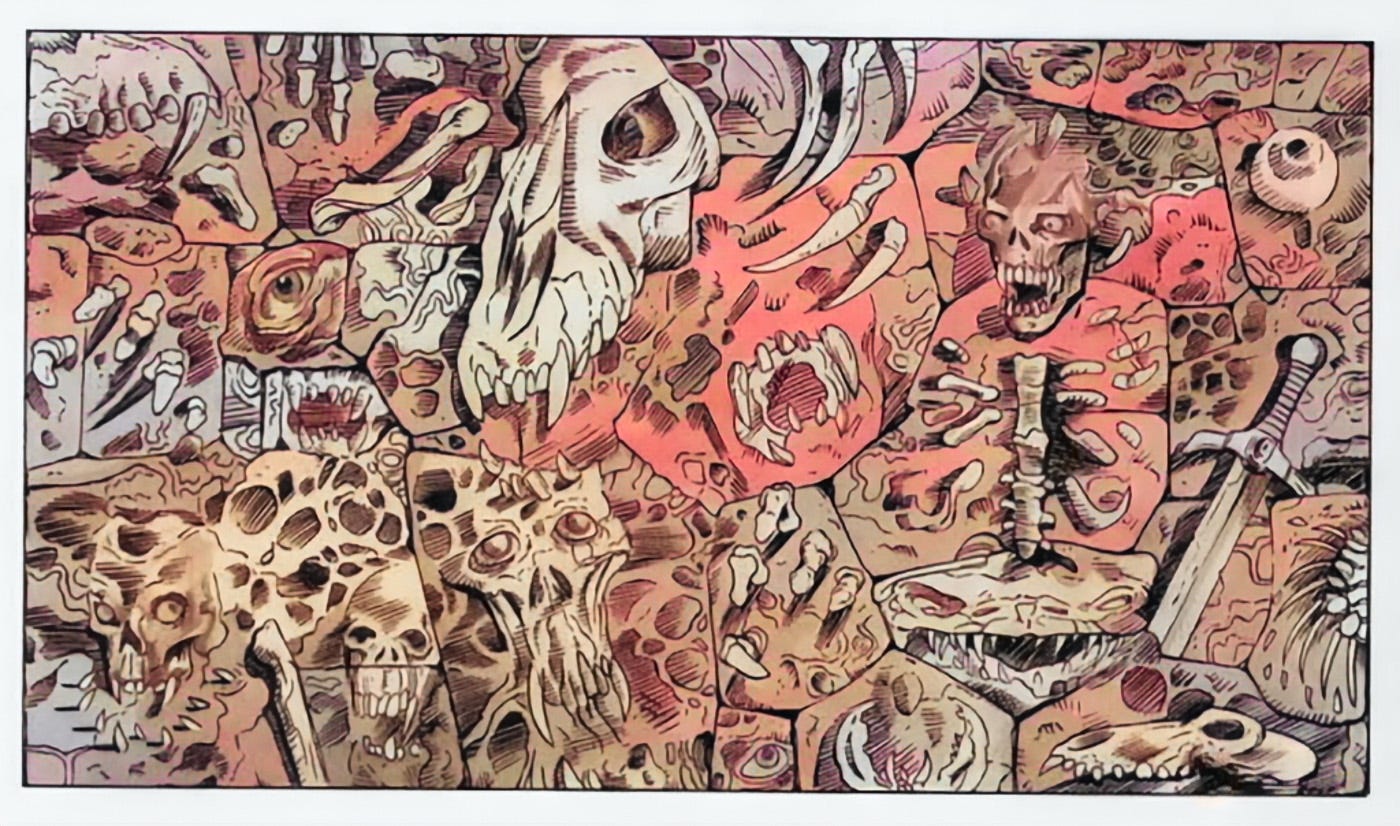
The Living Wall is a terrifying magical creation that can take down even the mightiest group of adventurers. Created by powerful mages, a Living Wall is built from living beings, who are absorbed into the surface itself, helping to enhance its collective powers. Since the wall is also not interested in the items that the creature it absorbed was carrying, all their items and treasure are probably jut laying around at the base of the wall. Ominous, but how can an adventurer resist?
The Living Wall makes a great boss fight in a maze or can be set as an ominous and powerful barrier to keep your party from entering a specific area. The creepy factor goes to 11 when what looks like an oddly designed bit of architecture whispers for you to approach and then attempts to grab and consume your essence.
Quickling (AD&D Monster Manual II)
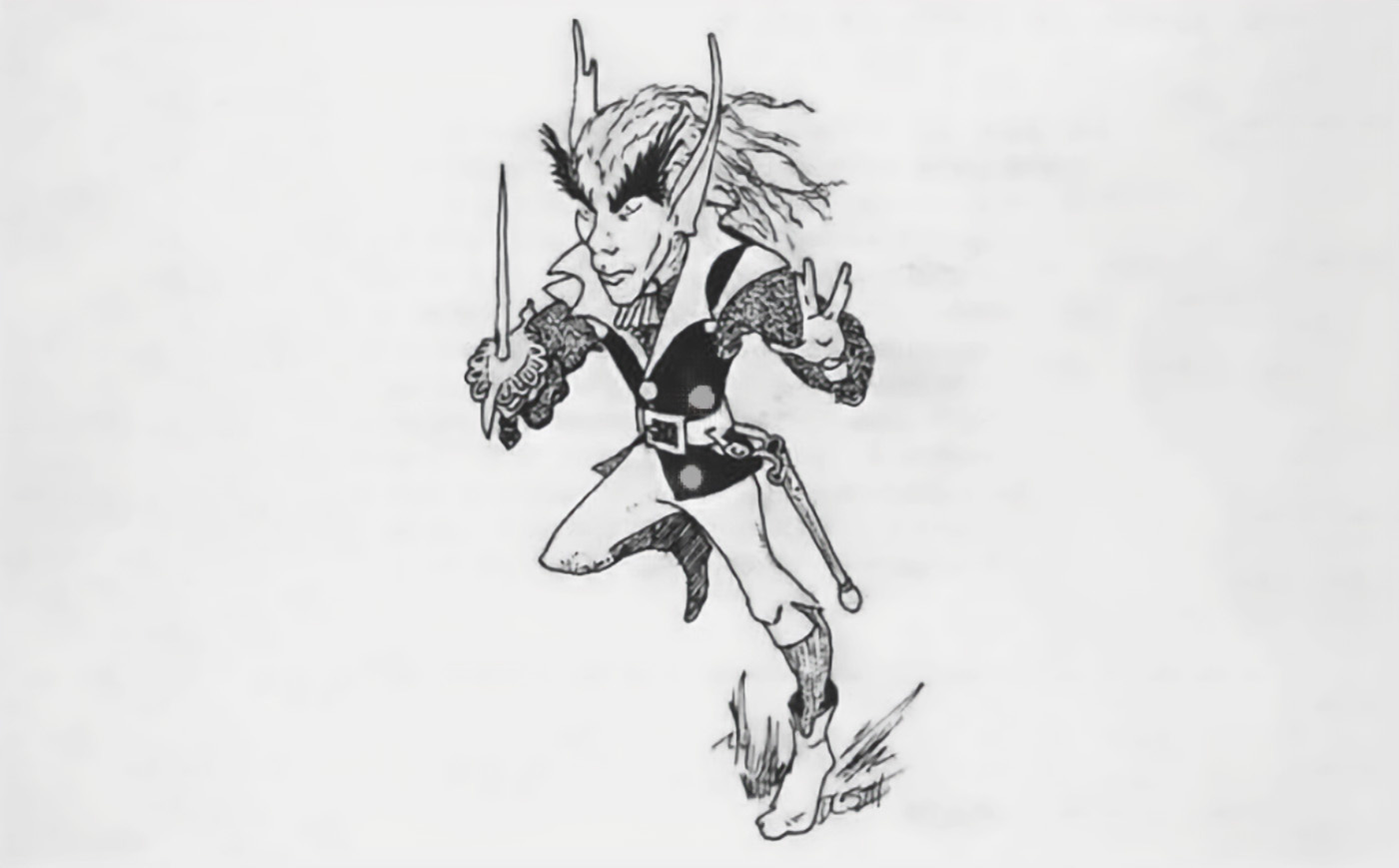
Do you like to mess with your players? Well then, might I suggest the chaotic and speedy Quickling? The Quickling is a small creature and it does not have a lot of hit points, but what it lacks in strength it makes up for in raw speed, its move rate is whopping 96", and genius intelligence. Add to that its ability to cast spells that cause chaos and a decent magic resistance and a gaggle of Quicklings is a formidable foe for even the most well-prepared party.
I have enjoyed using Quickling as the brains behind entire adventures on multiple occasions. Nothing made my players angrier than figuring out that all their problems were caused by "yet another Quickling."
Adherer (AD&D 1st Edition Fiend Folio)
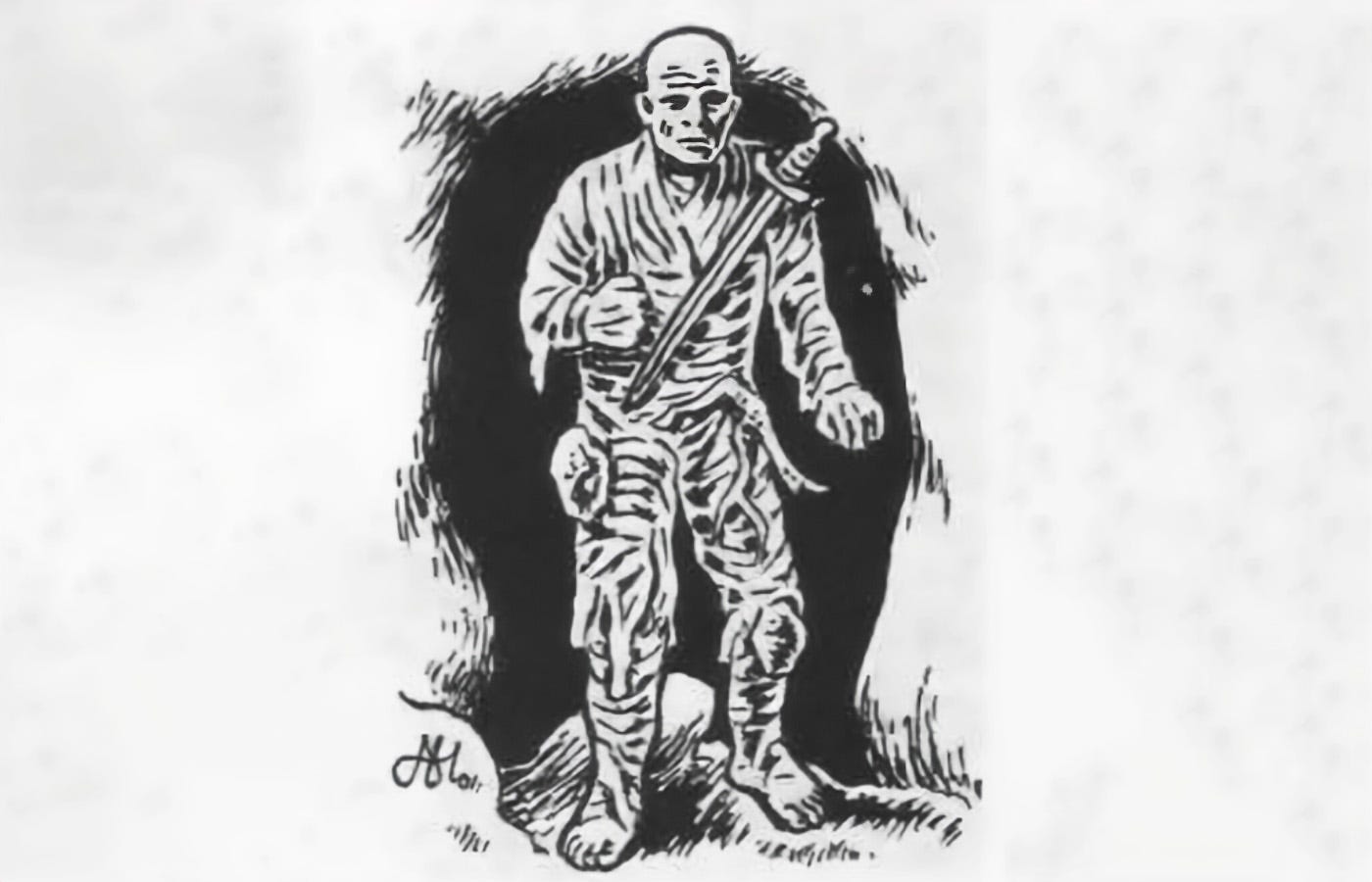
Another gem from the Fiend Folio, the Adherer resembles a Mummy, which alone was enough to send a wave of terror through most low level parties. While the Adherer lacks the hit points of a Mummy, it has the power to cause chaos to even the most well organized parties.
You see this bandaged beauty is covered in a smelly adhesive that will reduce the effectiveness of weapons, disarm party members and on the best days adhere party member directly, allowing them utilized the "adhered" as a human shield. While they are great to use for low level parties, they are especially fun to mix in with real Mummies. Unsavvy players will not understand what is going on and more experienced players will discover a new reason to hate their Dungeon Master.
Leucrotta (AD&D Monster Manual)
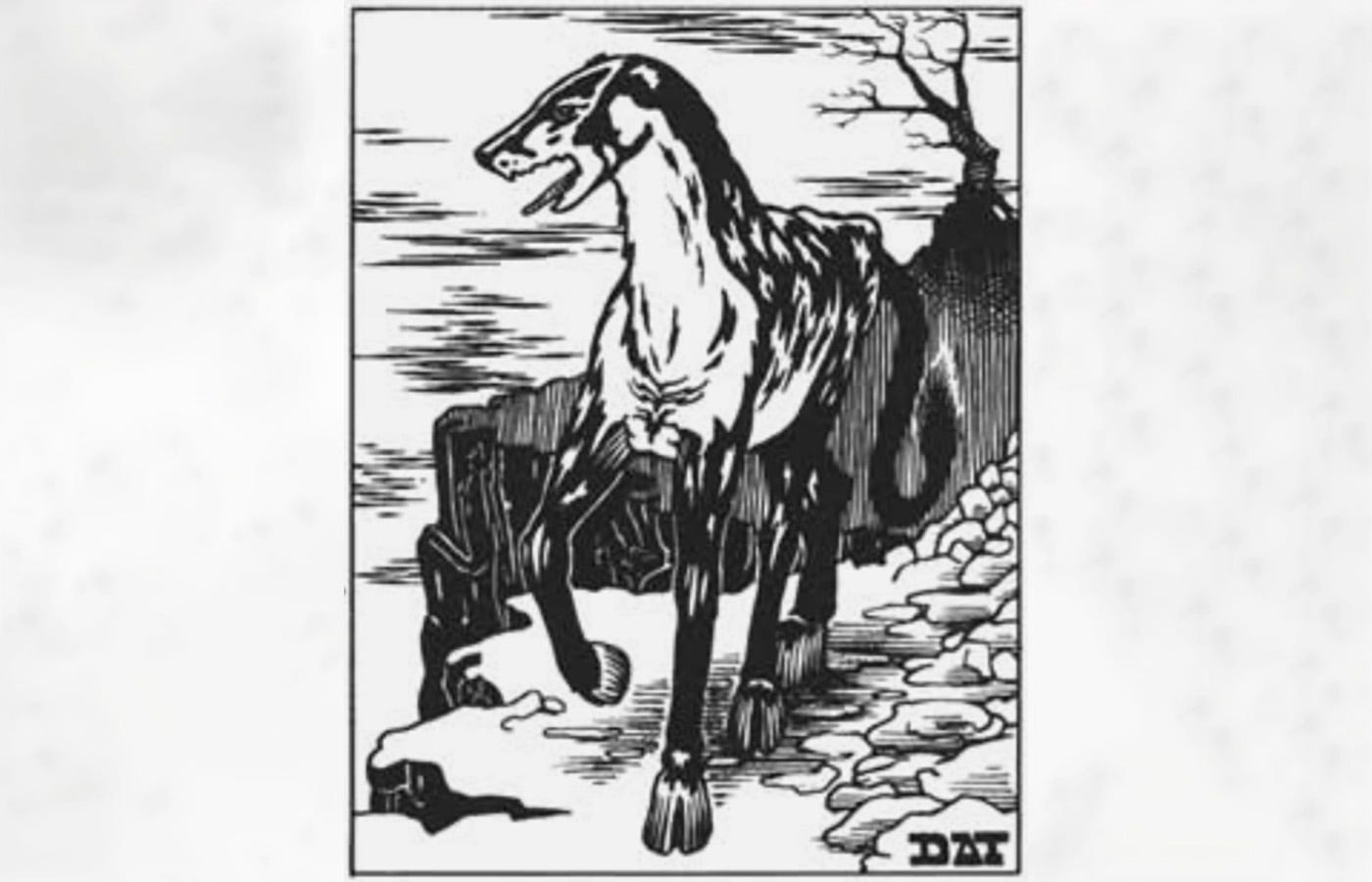
Around the gaming table at my house, the Leucrotta was better known as the "ugly deer." The poor Leucrotta is one of those weird mix-n-match creatures. It has the body of a stag, tail of a lion and head of badger, but it was much simpler to call it the "ugly deer." The Leucrotta is intelligent and very evil, probably because their various appendages make no sense. They are known to imitate human voices to lure people close so they can lay an ugly deer stomp on them.
It is an experience very few adventurers will forget.
Thought Eater (AD&D Monster Manual)
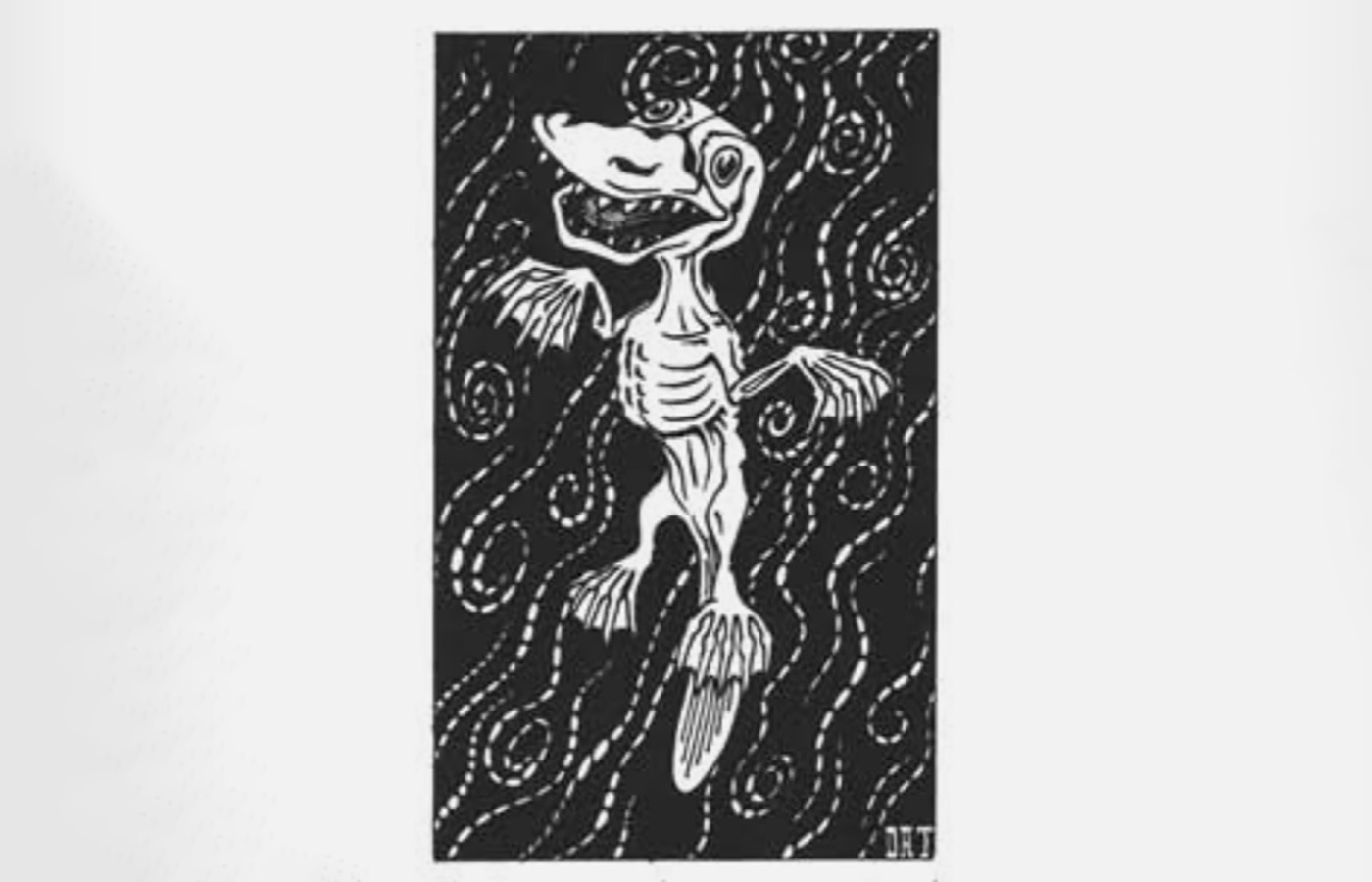
The Thought Eater or Zombie Platypus, as depicted in the original Monster Manual, would seem pretty harmless to most players, but most players do not have psionics. This puts them in the same grouping as the Disenchanter, a useful creature when dealing with overpowered characters, or at least helping to level the playing field. I found it especially enjoyable to give Thought Eaters to powerful mages in my campaigns.
In the 2nd Edition of AD&D, the Thought Eater was depicted as more skeletal, but I always stay with the 1st edition depiction. Nothing more disturbing than a powerful evil mage detailing his plans to destroy your party while stroking a zombie platypus. It is like something out of James Bond.
Executioner's Hood (AD&D Monster Manual II)
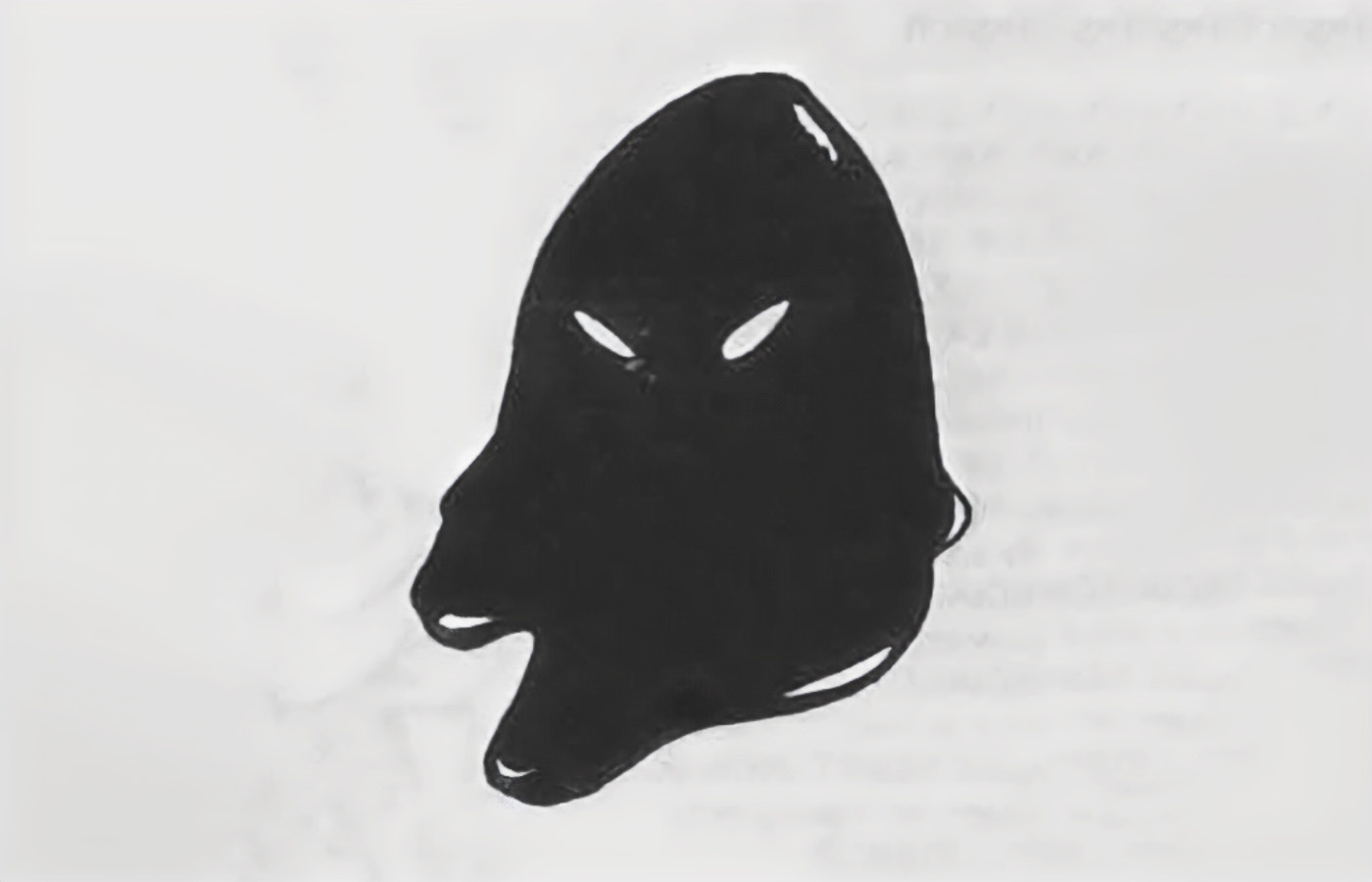
What player can resist shoving their head into a place that it shouldn't go? You would hope all of them, but for those not experienced enough to recognize an obvious trap, it is time for them to be introduced to the Executioner's Hood. The Hood envelops a victim's head and slowly strangles them. While it is not difficult to kill them, since they are relatively easy to hit, the challenge is to do so without hurting the victim as well.
The non-obvious solution? Get this monster drunk! Just pour some alcohol on the hood. The Monster Manual suggests brandy. After 4 rounds of pouring (a full quart), the hood will fall to the ground intoxicated. Then you just scoop it up, pop it in a cage and you got the coolest party mascot/drinking buddy in all the realms.
Memory Moss (AD&D Monster Manual II)
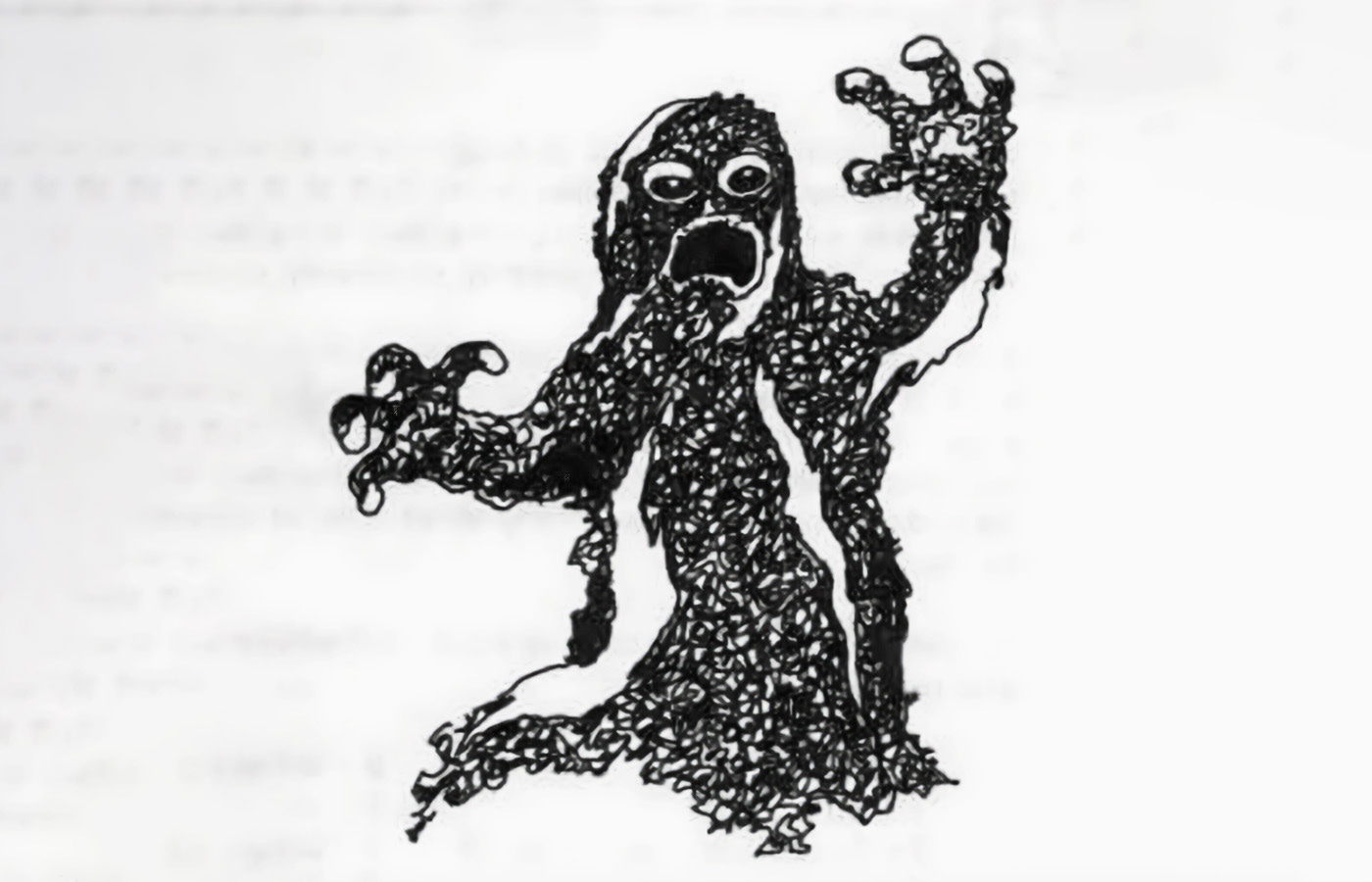
The Memory Moss or Obliviax is a truly bizarre creature. This small evil black moss can rob people of memories, including the ability to cast spells, and form a tiny version of the person whose memory it stole. Then that tiny version of the person can actually fight and even cast any stolen spells. Now here is where things get interesting, the way to get the memory back is to consume the living moss. If you consume a Memory Moss that absorbed someones else's memories, you will gain their memories, and even be able to cast any memory stolen spells for up to 24 hours.
The Memory Moss is perfect for Christopher Nolan-esque adventures that will be both universally applauded and terribly confusing at the same time.
Crabman (AD&D 2nd Edition Monstrous Manual)
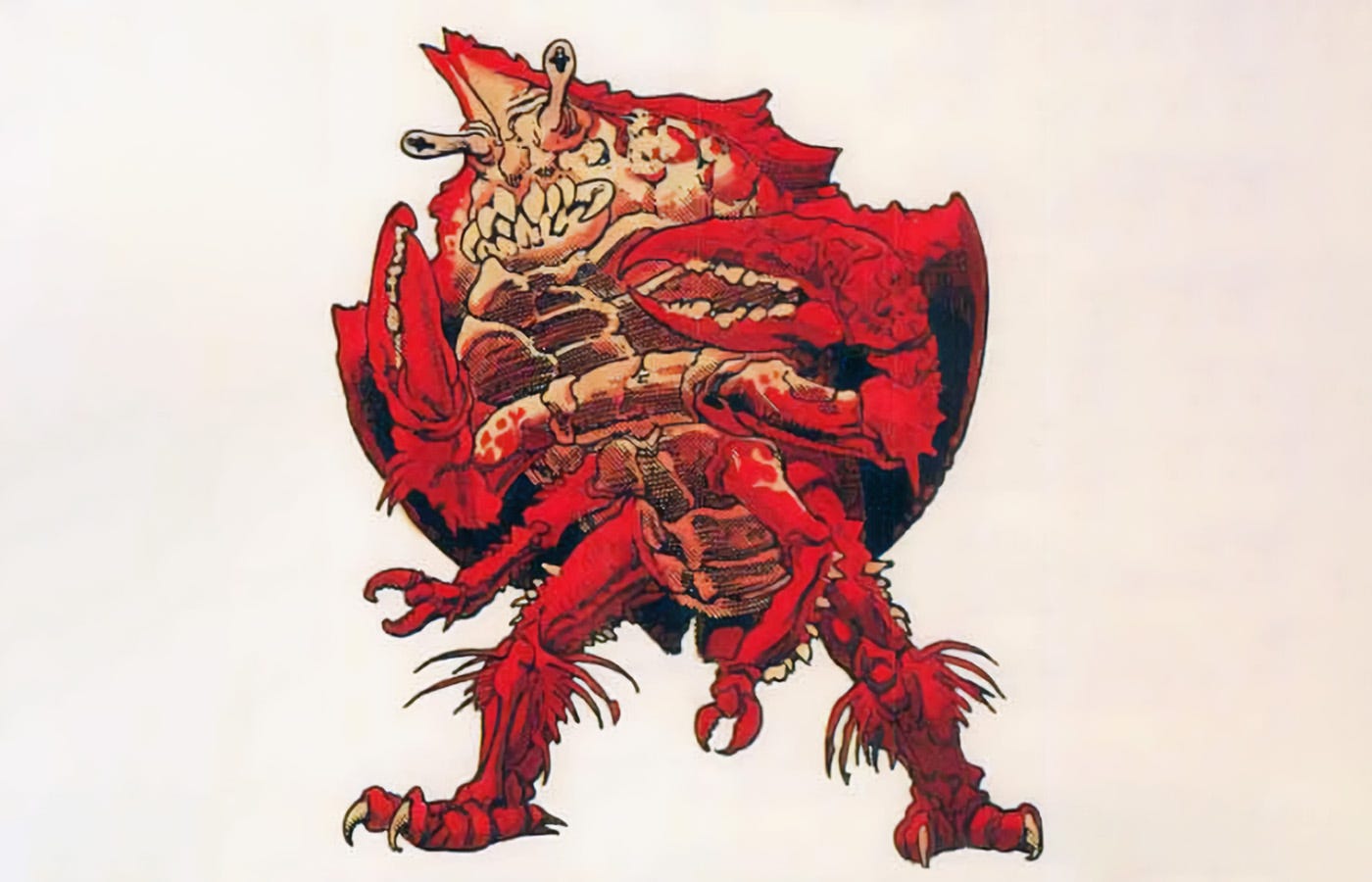
Perhaps a local village of seaside halflings has run afoul of some terrifying creatures with skin like armor and hands like weapons. They live in constant fear of these red demons. Meanwhile, on the other side of the harbor, the Crabmen talk of fuzzy footed creatures who are encroaching on their lands and in a disturbing twist seem to have a taste for Crabman flesh dipped in butter!
While it is often more traditionally heroic to pit good against evil in fantasy RPGs, why not challenge your players with some moral ambiguity and put them against the inscrutable and heroically neutral Crabman? While other neutral "monstrous" races exist in the world of Dungeons & Dragons, few taste as delicious as the Crabman.
Dinosaurs! (AD&D Monster Manual)
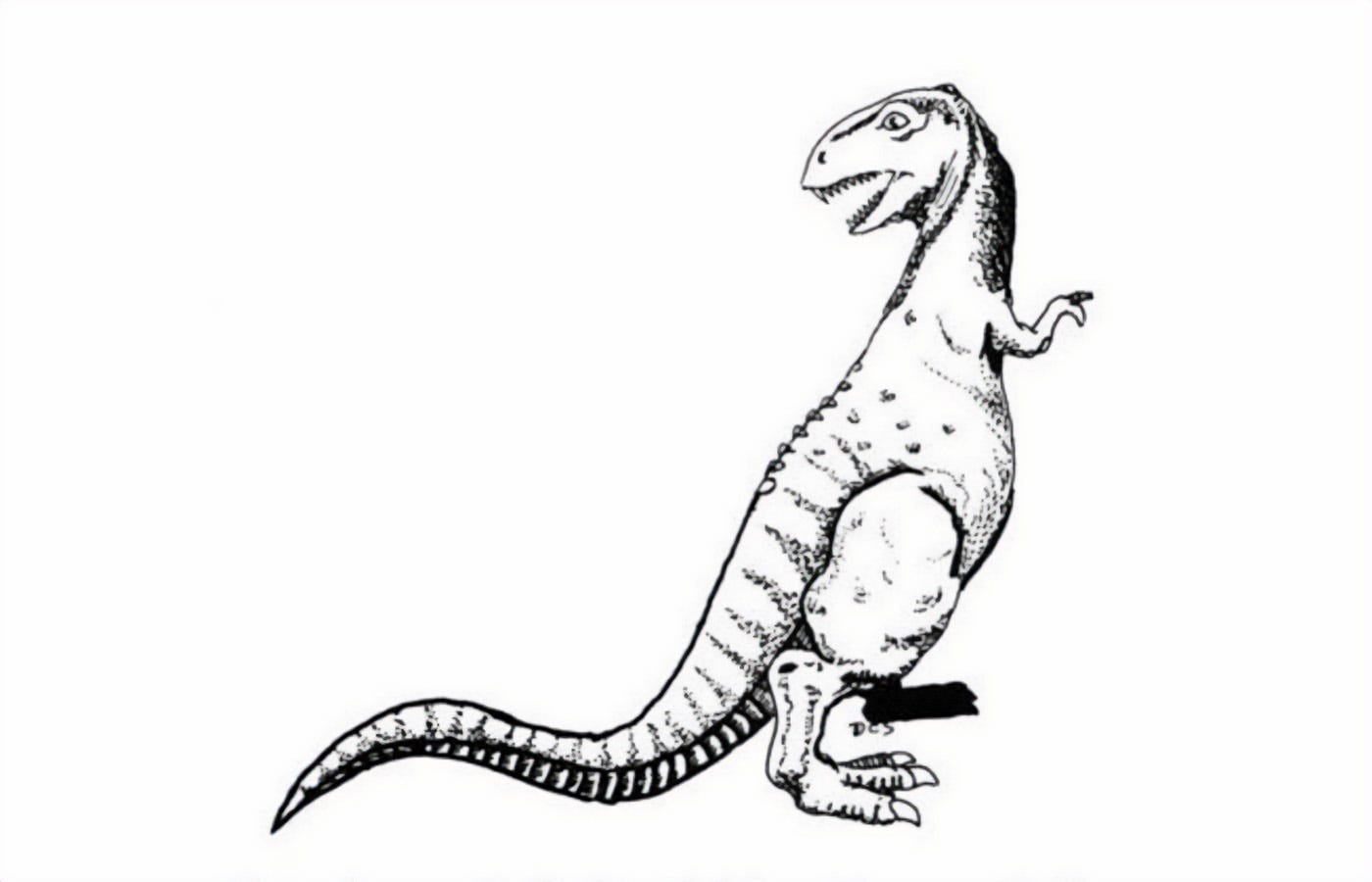
Throw your players a curve ball by having them face off against a creature as large and fearsome as a dragon, but without all the hype, a dinosaur. Those of you who played the 1981 module "Isle of Dread" know just how difficult it is to fight a T. rex, but that setting only just scratched the surface of the nearly limitless diversity a dinosaur based adventure can offer.
Perhaps a wizard managed to capture some of those dinosaurs and transplanted them to her own island where she is creating a park for powerful adventurers and tourists to witness these beasts firsthand, but "oh no!", the T. rex has gotten its tiny claws on a ring of invisibility and is running amok. These scenarios pretty much write themselves and more importantly every adventure leaves the door open for a very similar, but equally exciting and profitable sequel.
Giant Porcupine (AD&D Monster Manual)

You know a lot of people think that a porcupine can shoot its quills at people. As a kid, I was one of those people and it was mostly because I fought a couple of Giant Porcupines in Dungeons & Dragons. While the Giant Porcupine is dangerous at 6 hit dice, its real strength is its ability to infuriate players who disagree with giving fantastic powers to real world creatures and to misinform other players who may or may not still be terrified at the thought of those normal sized and very real quilled horrors shooting a barrage of needles into their face when they visit the zoo.
Frost Man (AD&D Fiend Folio)
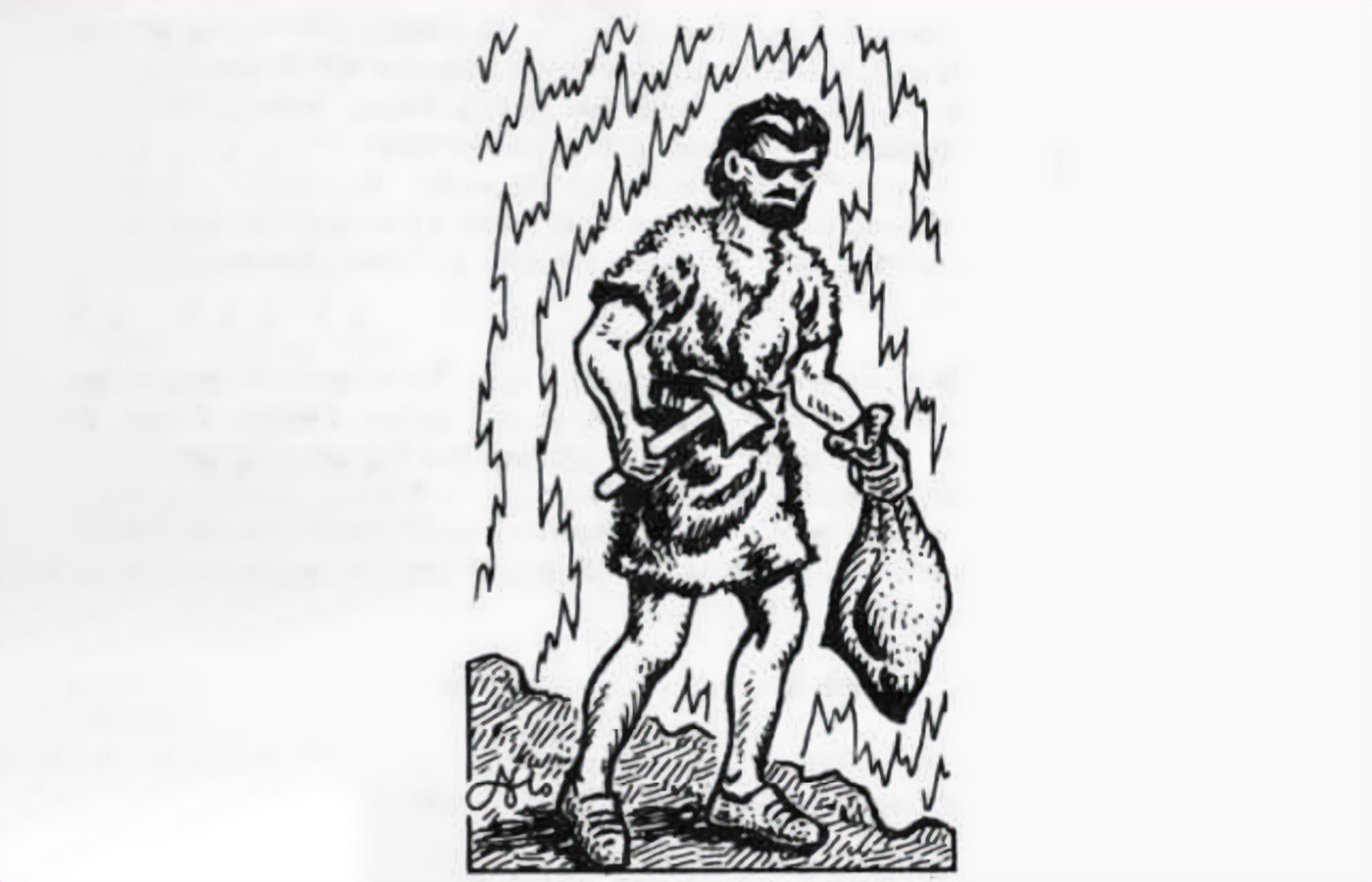
When I first stumbled across the entry for the Frost Man in the Fiend Folio back in the eighties, I thought he was wearing sunglasses, which made him infinitely cooler. Still even sans sunglasses, with his ability to radiate Frost, well manicured beard, magnificent head of hair, hatchet, eye patch, caveman style outfit, and comfortable shoes, the Frost Man is the entire package.
Perhaps you have used some of these creatures before, or you have your own underrated monster. If so, we’d love to hear which you like to use and how your players reacted to them. Fantasy worlds should be places of limitless imagination, and while orcs and goblins are great stock monsters, a little diversity makes an adventure a whole lot more memorable.